



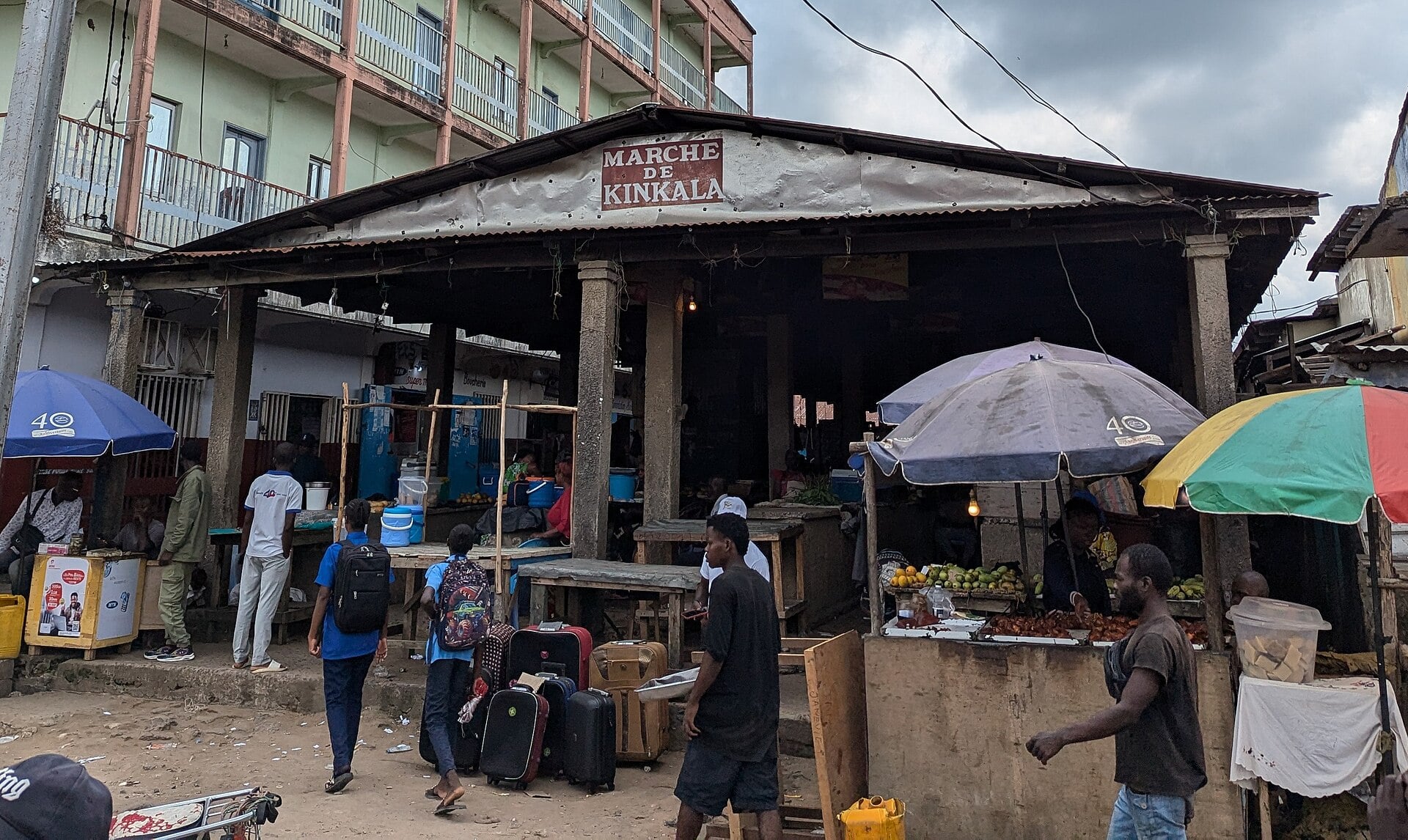
![The story of how I couldn't get a Republic of the Congo visa in Cabinda, Angola [August 2026]](/img/noticias/202610/the-story-of-how-i-couldnt-get-a-republi.jpegfitboundsquality85width1280)

Development of social learning and play in BaYaka hunter-gatherers of Congo
 High-fidelity transmission of information through imitation and teaching has been proposed as necessary for cumulative cultural evolution. Yet, it is unclear when and for which knowledge domains children employ different social learning processes. This paper explores the development of social learning processes and play in BaYaka hunter-gatherer children by analysing video recordings and time budgets of children from early infancy to adolescence. From infancy to early childhood, hunter-gatherer children learn mainly by imitating and observing others’ activities. From early childhood, learning occurs mainly in playgroups and through practice. Throughout childhood boys engage in play more often than girls whereas girls start foraging wild plants from early childhood and spend more time in domestic activities and childcare. Sex differences in play reflect the emergence of sexual division of labour and the play-work transition occurring earlier for girls. Consistent with theoretical models, teaching occurs for skills/knowledge that cannot be transmitted with high fidelity through other social learning processes such as the acquisition of abstract information e.g. social norms. Whereas, observational and imitative learning occur for the transmission of visually transparent skills such as tool use, foraging, and cooking. These results suggest that coevolutionary relationships between human sociality, language and teaching have likely been fundamental in the emergence of human cumulative culture.

